Everything a dating site does well is invisible, and everything it does badly is a headline.
The visible half is easy to describe: profiles, browsing, matching, messaging, video calls, a premium tier. Every competitor has the same list, so none of it is a reason to choose one.
The half that decides whether people stay is moderation, reporting, blocking and what happens after somebody behaves badly — and it is designed last, if at all.
There is also an asymmetry nobody likes discussing: the same feature feels like discovery to one person and exposure to another, and the interface has to be built for the one with more to lose.
Design the report before the match
A platform is judged on its worst interaction. Building the safety surfaces first changes what the rest of the product is allowed to do.
The premium feature people actually want is control, not visibility.
Paid tiers in this category usually sell reach — be seen by more people. The subscription here leads with the opposite: see who liked you, and decide who can see you.
That reframes the upgrade from vanity to agency, and it aligns the business model with the safety model rather than against it.
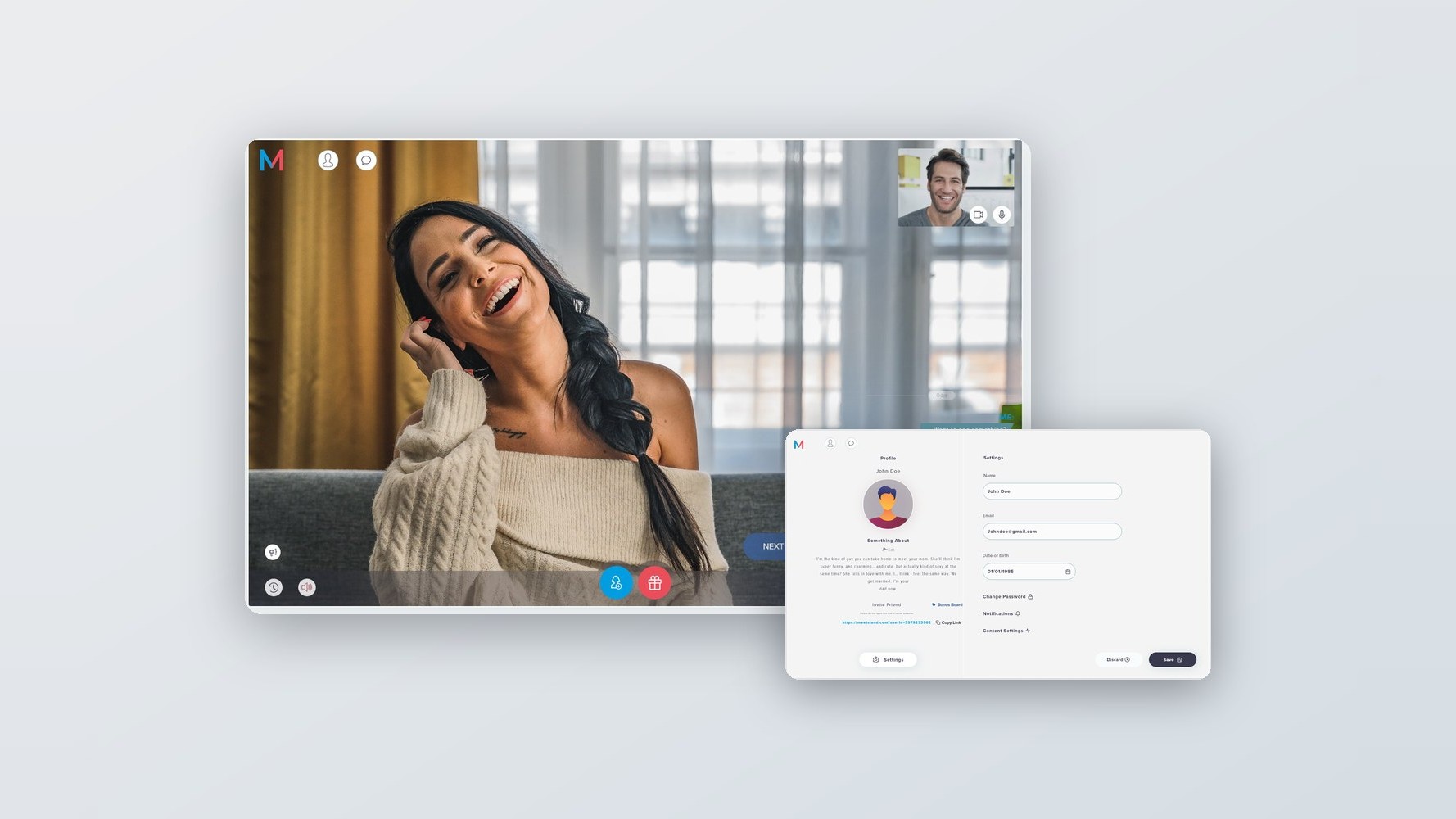
Browse, match, talk — with the controls at every step rather than in a settings page.
Profiles are built from a photo and a short set of facts, browsed by age, location and interests, with matches suggested from stated preferences and previous behaviour. Conversation moves from text to video inside the platform, so nobody has to hand over a phone number to find out whether there is anything there.
Visibility, blocking and reporting sit alongside those actions rather than three levels down, and events and group activities give people a lower-stakes way to meet than a one-to-one first message.
Video before phone numbers
Calls happen inside the platform.
The riskiest step in online dating is the one where the conversation leaves the app, because everything protective is left behind with it. Keeping video in-platform means a person can find out whether somebody is real without giving away a way to be contacted forever.
It also compresses the timeline honestly — a five-minute call answers more than a fortnight of messages, and both people know it.
Controls next to the action
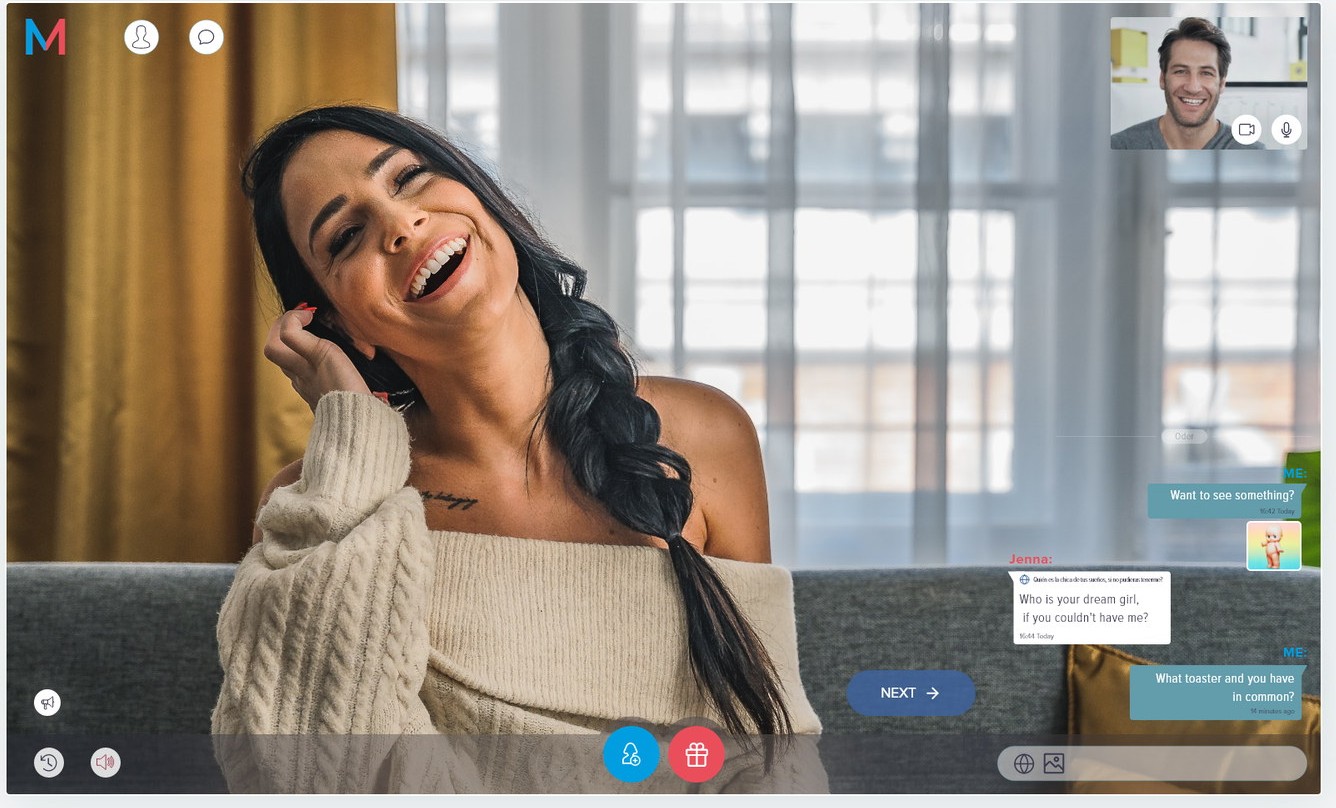
Blocking, reporting and visibility where they are needed.
A safety control buried in settings is a safety control that gets used after the damage. Putting them on the profile and in the conversation means they are reachable at the moment somebody actually wants them.
The moderation team behind them is stated in the product rather than implied, because knowing a human will read the report is most of what makes people file one.
Premium sells agency
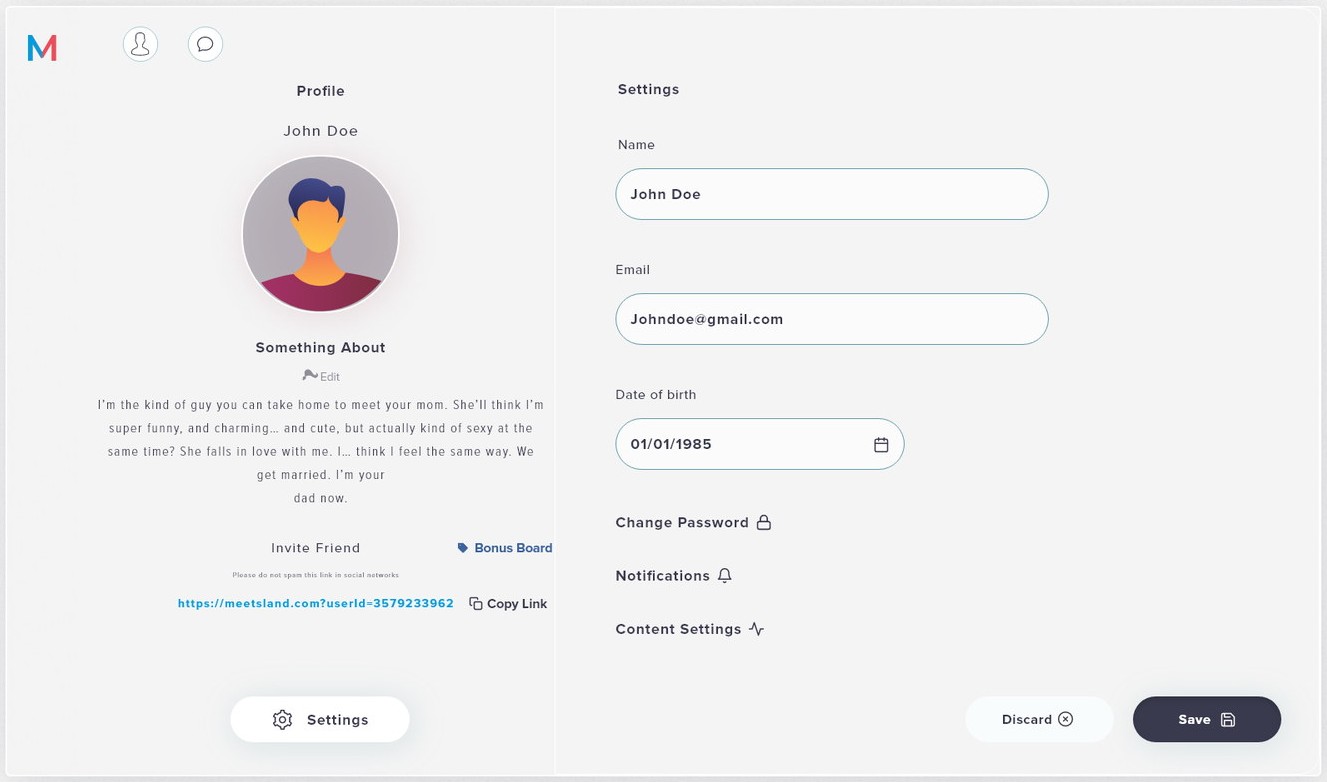
See who liked you; control who sees you.
Selling reach makes the platform louder for everyone and worse for the people already receiving too much attention. Selling control does the opposite, and it is the thing users ask for first.
Group events and activities sit outside the paywall on purpose — the lowest-pressure way to meet somebody should not be the one behind a subscription.
The unglamorous half, designed on purpose.
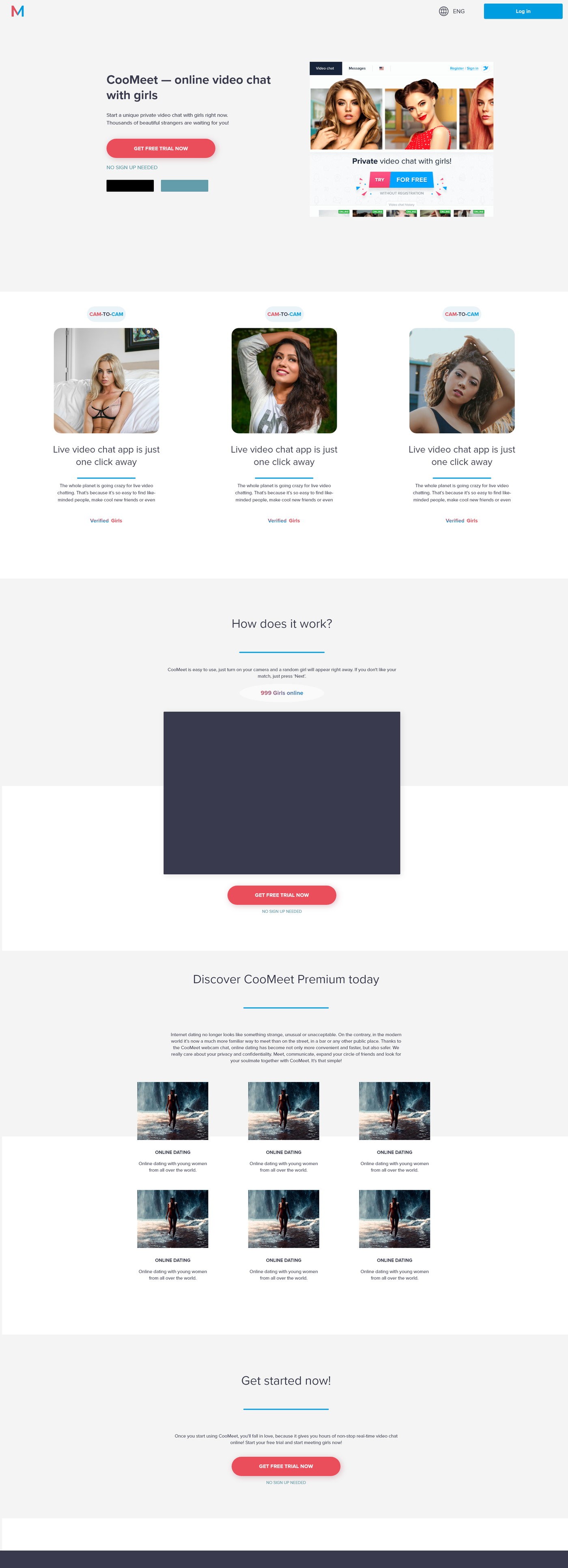
Meetsland ships the expected set — profiles, matching, chat, video, premium — with the safety surfaces designed alongside them rather than retrofitted after the first incident.
The premium proposition doubles as the safety proposition, which is the rare case where the commercial and the ethical argument point the same way.
What I would keep from this one
Designing the report flow before the match flow changes what you are willing to build. Several features that look good in a pitch quietly disappear once you have written what happens when they are misused.
I would also push harder on the empty state. Every dating product launches with too few people on it, and pretending otherwise is how the first thousand users leave.